

The Unspoken Job of an Art Teacher
When people think about teaching a drawing workshop, they usually imagine quiet rooms, the soft sound of pencils on paper, and easy step by step instructions. But anyone who has ever stood in front of a hesitant beginner knows the real story 🙈
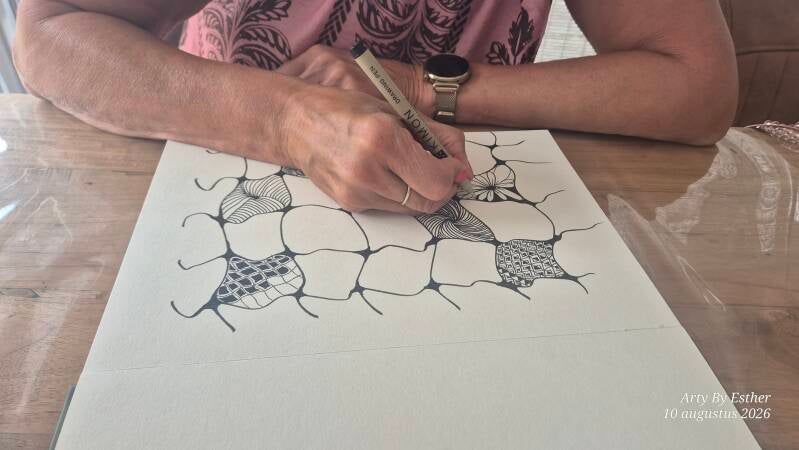
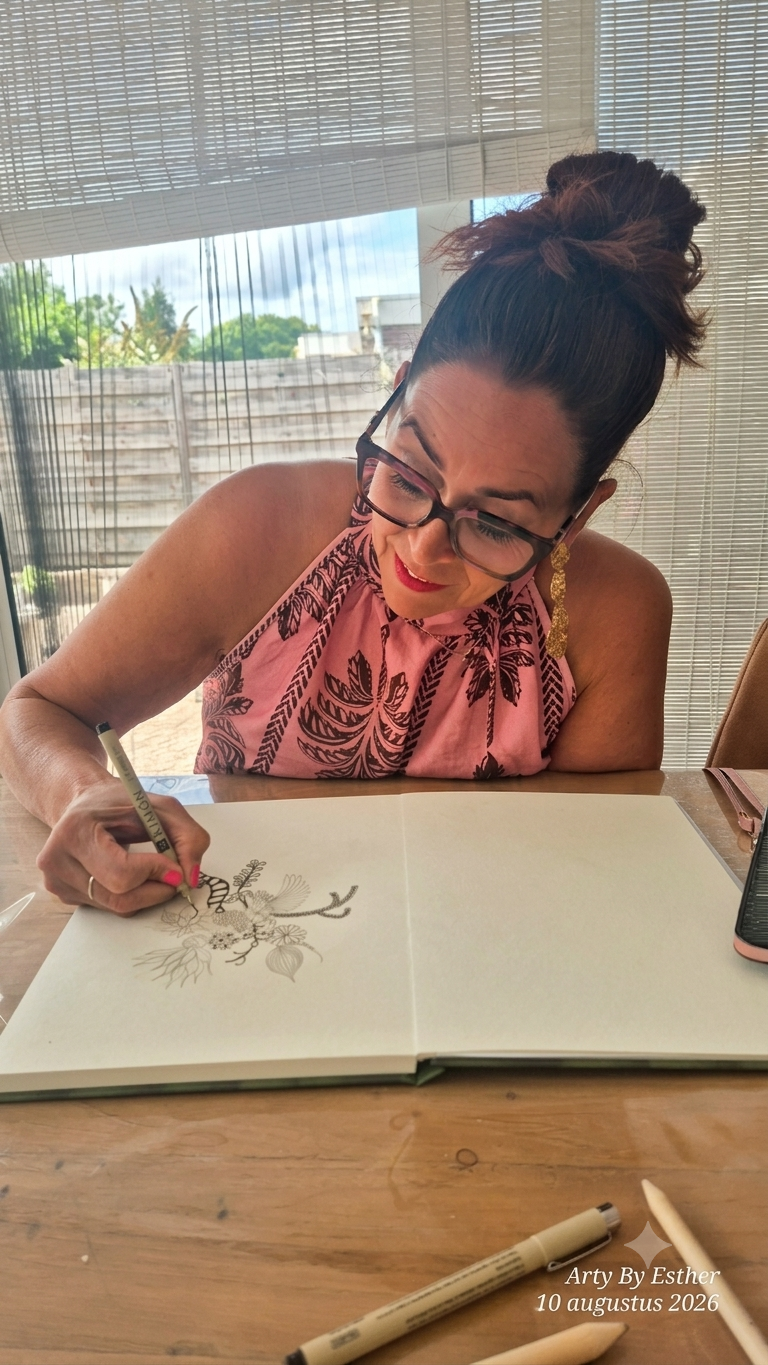
Yesterday I hosted another workshop, and it reminded me of something I see time and time again.
When my student arrived, she was super giggly and clearly very nervous. She kept whispering that she had zero talent, that she had never drawn anything before, and that she was afraid of making a mess. Sound familiar? 🤔
Honestly, half the time I feel more like a therapist than an artist 🛋️🎨
The hardest part of my job isn't showing someone how to blend a shadow or capture a detail. The real challenge is navigating the deep seated self doubt that almost every new student brings through the door. Before I can teach a single technique, I have to clear away a mountain of fear 💖
Why We Are All So Scared of a Blank Page
When adults pick up a pencil for the first time in years, they bring a lot of heavy baggage with them. We judge ourselves before we even put a mark on the paper.
-
The myth of natural talent: We think artists are born with a magic gift, which simply is not true 🎨
-
Fear of failure: We worry our work will look silly compared to others 🙈
-
High expectations: We want our very first attempt to look like a masterpiece right away 🖼️
It amazes me every single time. Adults walk in and immediately start apologizing. Showing someone your art, especially when you think you are bad at it, takes huge courage. Communication is everything here. The wrong feedback can make a student lock up, while the right words can open up an entire world of confidence 🔑
You have to know when a giggle means excitement and when it means pure panic, and adjust your approach in seconds ⏱️
The Shift From Fear to Pure Joy
Drawing is a skill just like riding a bike or baking a cake. Nobody expects you to bake a grand wedding cake on your first try, so why be so hard on yourself with drawing 🍰
When you manage to break through that emotional barrier, the reward is incredible. By the end of the day, something magical happened. The nervous laughter turned into total focus, and that focus turned into complete excitement. Today she messaged me saying she is already hooked and cannot wait to draw more ✏️🥰
That moment right there is why I do what I do. Once you reassure someone that they are safe to make mistakes, the real learning happens. They stop worrying about looking silly and start seeing what they are truly capable of doing 🌟
How to Overcome Your Inner Critic
If you want to start creating or guide someone else on their journey, keep these simple truths in mind 💭
-
Mindset comes before technique. A calm, confident mind draws so much better than a stressed hand 🧘♀️
-
Forget perfection and focus on play. Treat your paper like a playground where mistakes are just happy accidents 😊
-
Break it down. Big subjects can look overwhelming, but everything is just made of basic shapes and soft tones when you look closely 👁️
-
Positive words build real skills. Encouraging what is going right works ten times faster than pointing out mistakes 🌈
-
Give yourself permission to be a beginner. Everyone starts at the beginning, even the most famous artists in history 📜
Teaching art is an emotional workout, but seeing someone transform from a terrified beginner into a passionate creator in just one day makes every single bit of effort worth it 🚪✨
Have you ever had to overcome a huge fear to try something creative? 💭 Let me know in the comments below 💬
#ArtyByEsther #ArtTeacherLife #CreativeConfidence #LearnToDraw #OvercomingFear #ArtistMindset #DrawingWorkshop #CreativeJourney #CommunicationInArt #ArtCommunity ✨
Add comment
Comments